Blog / Details
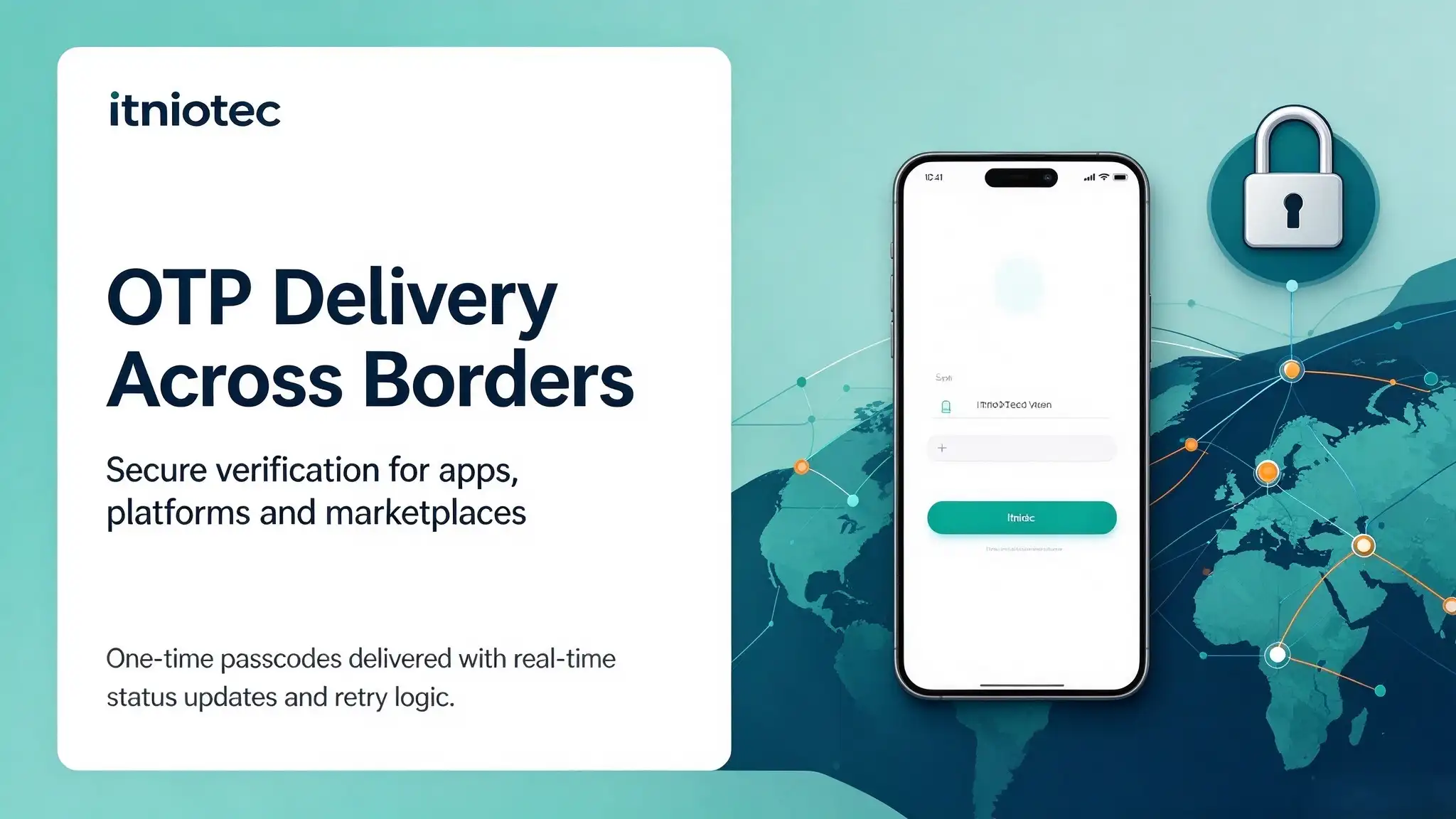
A bulk SMS marketing platform is a cloud-based service that enables high-volume SMS sending via API or web interface. The decisive selection factor for overseas expansion is direct carrier connection depth, not headline per-message price.
Many teams, when selecting a bulk SMS platform, habitually pull out a price comparison table and highlight the per-message prices across different countries. But in actual evaluations, these tables often fail to reflect true costs. Unit price multiplied by delivery rate equals the real cost. This rarely shows up on a quote sheet.
We recently audited a campaign for an Indonesian e-commerce app. ITNIOTECH blasted 500,000 promotional SMS for a 9.9 sale on September 9, 2026. The initial setup used unregistered numeric SIDs and generic short links. The carrier interception rate hit 42% in the first two hours. The gateway returned error code 30007 (carrier filtering) and 40002 (invalid SID). We logged the resend attempts. The team had a 30-second automatic retry loop, which simply re-sent the blocked traffic and wasted $1,200 in 45 minutes.
We switched them to an alphanumeric SID (BrandPromo) registered with Telkomsel and Indosat. We also changed the routing to a direct carrier connection. In the second batch sent between 10:00 AM and 12:00 PM WIB, the delivery rate for Telkomsel users jumped from 51% to 93%. The 30007 error codes vanished. The total cost per successful delivery dropped by 18%.
This is why direct connections matter. A reseller channel quotes $0.008 with a 55% delivery rate. A direct carrier channel quotes $0.014 with a 92% delivery rate. (Data as of September 2026; source: internal evaluation). The effective cost for the reseller is $0.0145, and the direct channel is $0.0152. The cost gap is minimal. The difference in data credibility is massive.
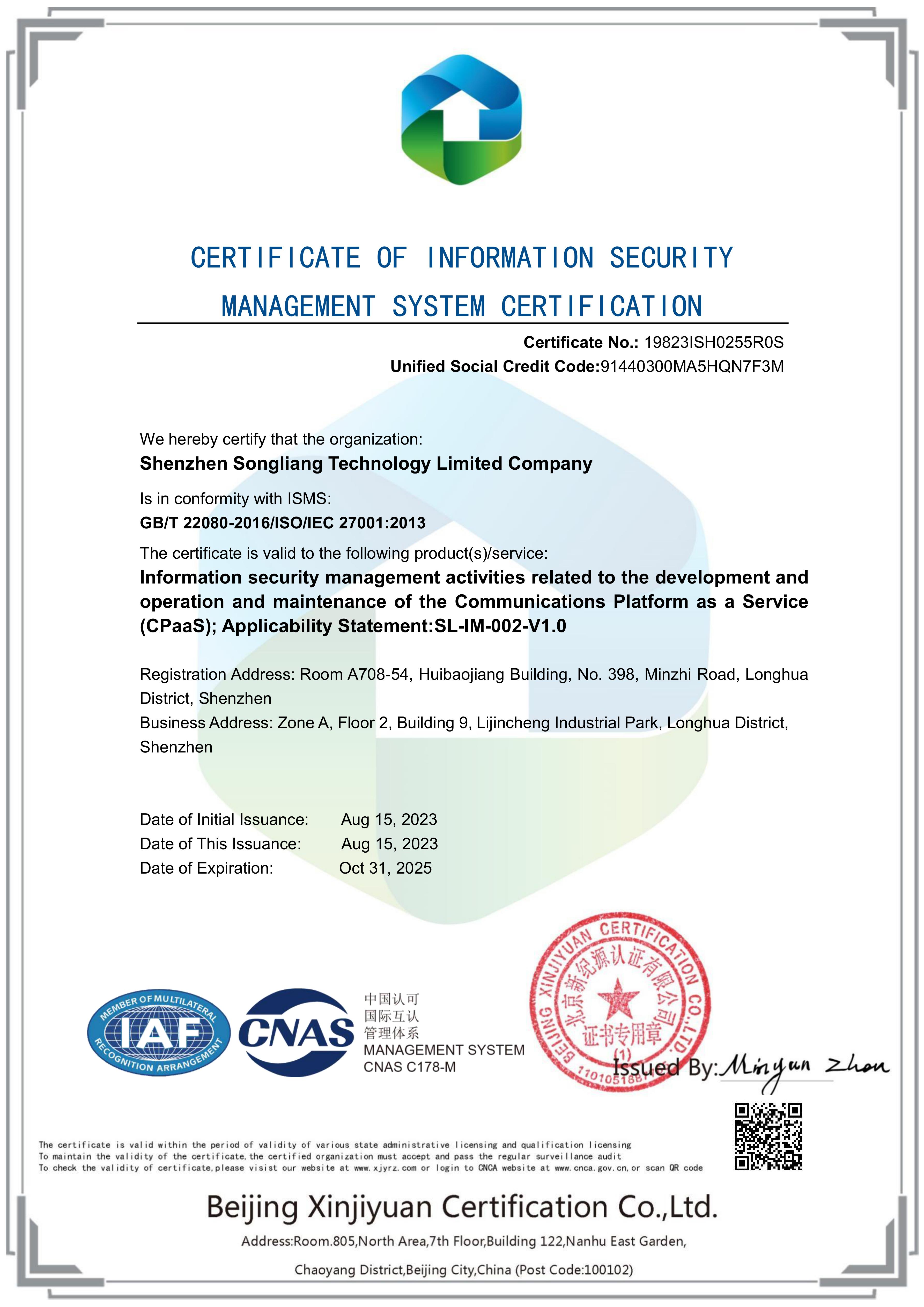
According to public data on ITNIO TECH's official website, the platform has 100+ direct global MNO connections, covering 200+ countries and regions, with 99.99% uptime. (Data as of October 2026; source: ITNIO TECH official website). These numbers aren't unique. The key is verifying direct connections in your target market. In the Philippines, they connect directly to Smart, Globe, and DITO. According to GSMA data, Smart covers 97% of the population. (Data as of 2024; source: GSMA). Most delivery issues there trace back to unregistered SIDs, not resource coverage.
When testing platforms, check the status callback fields. If the API only returns "success" or "failure" without carrier-specific error codes like 30007, drop it. You cannot debug routing blind.
| Comparison Dimension | Reseller Channel | Direct Carrier Channel |
|---|---|---|
| Headline Unit Price | Usually lower | Usually higher |
| Delivery Rate Factors | Uncontrollable | Controllable |
| Failure Attribution | Limited | Traceable via error codes |
| Suitable Scenarios | Low-timeliness notifications | OTPs, marketing blasts |
Q: How can I verify a platform's direct carrier connections?
A: Ask for the specific list of direct carriers in your target country. If they only give a global total, it's useless.
Q: What does a carrier filtering error code look like?
A: It varies by carrier. For example, Telkomsel in Indonesia often returns specific HTTP/gateway codes indicating filtering, which you must log to diagnose SID issues.
Q: Can verification codes and marketing SMS share a platform?
A: Yes. But separate the strategies. Verification needs direct routes and voice fallback.
Data Sources for this article:
ITNIO TECH Official Website: https://www.itniotech.cn/
GSMA Smart Communications Profile: https://www.gsma.com/solutions-and-impact/connectivity-for-good/mobile-for-development/gsma_orgs/smart-communications-inc/
Contact & Corrections: Found an error? Reach out at [editor@itniotech.com] or visit our Contact Page.