As one of the world's largest economies, the United States boasts unrivaled average revenue per user (ARPU) and extremely high digital penetration, making it a strategic target for almost every expanding enterprise. However, the US is also one of the world's most mature markets, characterized by intense competition and a triple barrier of "high tariffs, strict oversight, and rigorous compliance" that often deters new entrants. In this article, ITNIO TECH will provide an in-depth analysis of the US market's potential, its critical compliance requirements, and how to leverage SMS and voice communications to empower your business expansion.
I. The World's Largest Digital Consumer Market: High-Value Users Unleash Growth Dividends1. A Population of 349 Million: Peak Scale and Purchasing PowerAccording to World Population Review data, the US population reached 349 million in 2026, maintaining a steady annual growth rate of 0.52% and ranking as the third most populous nation globally. Meanwhile, the median age in the US is 39.7 years (compared to a global average of 31), with the total adult population reaching 276 million. This demographic represents the peak segment for wealth accumulation, demonstrating the highest propensity for online subscriptions and high-ticket consumer spending.
2. GDP Surpassing $30 Trillion: Infinite High-Net-Worth Consumption PotentialAccording to the latest data from the International Monetary Fund (IMF), the US GDP has maintained a steady annual growth rate of over 2% in recent years and is projected to reach a historic $32.38 trillion in 2026. Concurrently, the US GDP per capita is expected to increase to $94,430 in 2026, up from $89,991 in 2025. This indicates extraordinary individual purchasing power and secures immense potential for cross-border businesses looking to acquire users with high ARPU and exceptional lifetime value (LTV).
3. Leading Digital Economy Share: E-Commerce Penetration Hits 87.2%According to a report released by the US Bureau of Economic Analysis (BEA), the scale of the US digital economy has doubled since 2020, reaching $4.9 trillion, accounting for 18% of the national GDP, and sporting a remarkable 19% average annual growth rate. This growth is underpinned by the advanced development of digital sectors, including digital banking, online retail, e-commerce, e-learning, and interactive entertainment. The e-commerce sector stands out prominently: Statista projects its market size will hit $1.22 trillion in 2026, with user penetration reaching 87.2%, positioning American consumer spending power in the top tier globally.
4. Internet Penetration at 93.1%: Highly Active Social Media EngagementAccording to DataReportal, the number of internet users in the US has reached 324 million, representing a 93.1% internet penetration rate. Additionally, social media users stand at 254 million, equivalent to 73.0% of the total population. Major platforms like YouTube, Facebook, Instagram, TikTok, LinkedIn, X, Reddit, and others hold massive pools of active American accounts. Unquestionably, the US represents one of the most mature internet and mobile communication markets globally.
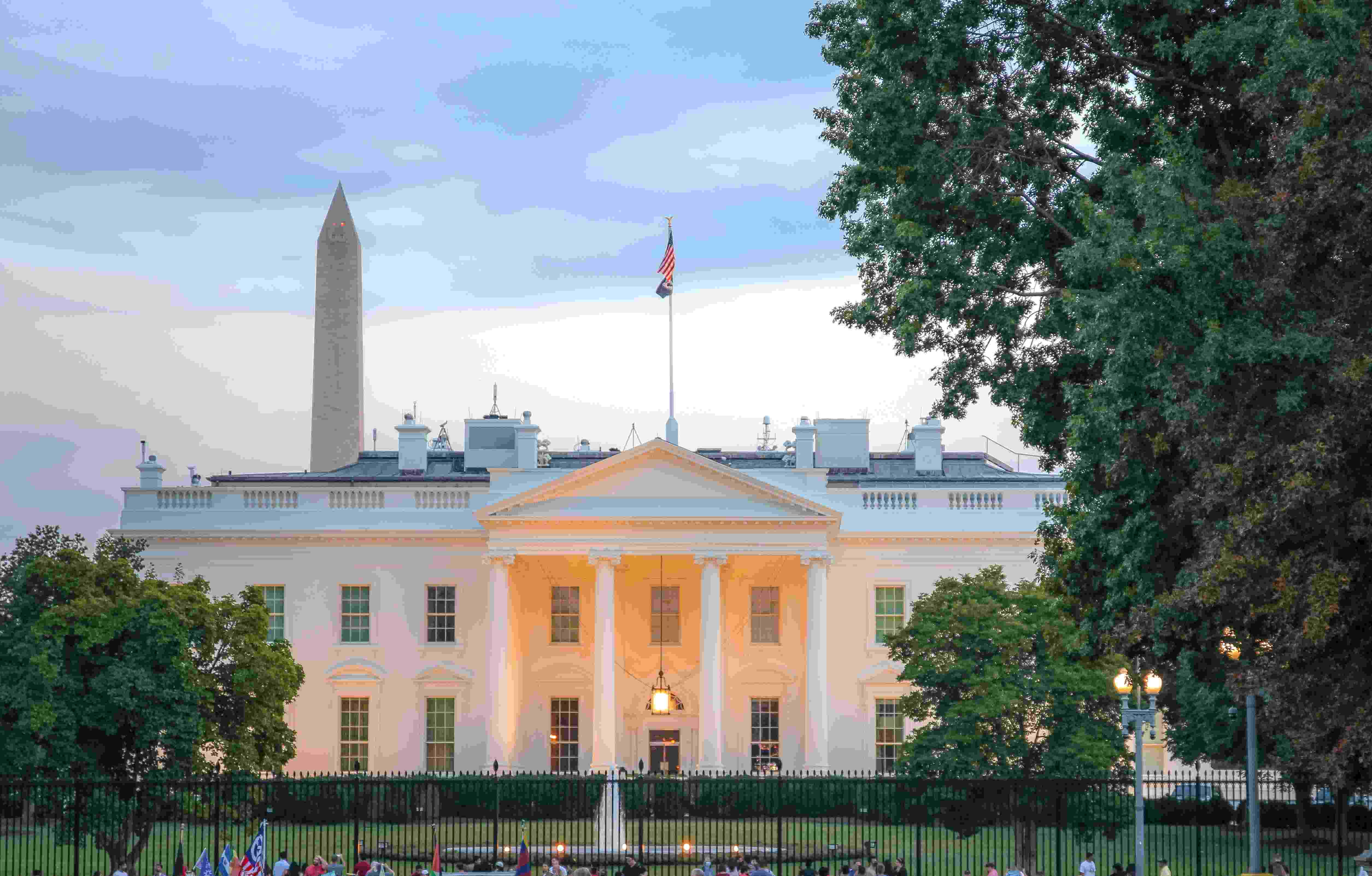 (Image Source: unsplash.com)II. High Internet Ubiquity: Why SMS Remains a Standard for US Enterprises
While emerging markets like India and Bangladesh rely on SMS due to gaps in internet infrastructure, the United States presents the exact opposite phenomenon. Despite being one of the most technologically mature nations, US enterprises dispatch a staggering volume of text messages every day, including banking OTPs, logistics notifications, healthcare appointments, retail discounts, and billing reminders. Instead of being phased out by internet-based alternatives, SMS and cellular voice have cemented themselves as vital communication infrastructure for the US digital economy, primarily due to three reasons:
Regulatory Compliance and Two-Factor Authentication (2FA): The US federal government enforces strict oversight and audit mandates on online accounts involving capital or personal privacy, such as fintech and insurance. For online banking, cross-border payments, and SaaS logins, mobile-based SMS verification codes remain the mainstream option. Because they require no third-party app downloads and yield immediate response rates, they serve as the most widely accepted, compliant 2FA mechanism.
A Staggering Disparity in Open Rates: In the US, commercial marketing emails (EDM) face an average open rate of only 15% to 20% and are easily filtered into the "Spam" folder by email client algorithms. Conversely, mobile SMS boasts an open rate of up to 98%, with 90% of text messages read within 3 minutes of delivery. For time-sensitive scenarios like appointment reminders, e-commerce cart abandonment abandonment recovery, and flash sales, the return on investment (ROI) of SMS is unmatched.
The Default Channel for Customer Engagement: Whether it is a transaction alert, booking confirmation, flight change, or delivery update—as well as restaurant reservations and loyalty program notifications—SMS has become an expected, standardized workflow across American customer service ecosystems. For businesses, SMS does more than deliver information; it functions as a primary touchpoint to maintain user connection, elevate service quality, and curb churn rates.
III. The Big Three Dominance: The US Telecom Carrier LandscapeAccording to GSMA statistics, mobile connections in the US exceeded 400 million, pushing the mobile connectivity rate past 120%. The US telecommunications infrastructure has long been dominated by three network operators: Verizon, AT&T, and T-Mobile. These giants cover the vast majority of mobile subscribers and collectively maintain one of the most advanced mobile communication networks in the world.
Verizon: As one of the largest wireless carriers in the US, Verizon is renowned for its premium network coverage and rock-solid stability. It commands a deep enterprise client base in banking, government, and healthcare, and enforces exceptionally strict filtering rules on commercial message verification and anti-spam governance.
AT&T: A legacy telecom titan boasting a nationwide 4G/5G footprint. AT&T maintains strong penetration across enterprise-level services and major US metropolitan areas, serving as a critical backbone network for corporate messaging.
T-Mobile: Following its merger with Sprint, T-Mobile has significantly scaled its market presence, leading the pack in 5G infrastructure rollout. It aggressively drives enterprise communications and next-generation messaging services like RCS, capturing a massive share of younger demographics across the US.
Mobile Virtual Network Operators (MVNOs): Aside from the "Big Three," hundreds of MVNOs (such as Mint Mobile or Cricket) operate in the US market, but their underlying network routing and traffic protocols remain 100% dependent on the cellular infrastructure of the top three carriers.
For expanding businesses, ensuring consistent message delivery requires more than platform technical capabilities; it hinges on direct carrier connectivity and sophisticated local compliance expertise. ITNIO TECH has established direct carrier interconnections with major US operators, providing comprehensive, one-stop SMS and voice solutions across verification, notification, and marketing use cases to secure your US operations.
 (Image Source: unsplash.com)IV. US Communication Compliance: Four Critical Areas of Preparation
While the high consumption margins and excellent conversion rates of US SMS and voice are highly lucrative, establishing a foolproof compliance framework is an absolute prerequisite to unlocking sustainable business growth.
1. TCR Registration and 10DLC Campaign EntryTo deploy commercial messages in the US, businesses must register through TCR (The Campaign Registry), the central auditing entity appointed by the major carriers. Enterprises must complete A2P 10DLC (10-Digit Long Code commercial messaging) registration, which entails vetting the corporate brand identity and documenting specific message use cases (Campaigns). Unregistered, grey-route traffic is subject to 100% carrier blocking alongside heavy punitive network surcharges.
2. Strict Adherence to TCPA RegulationsThe US enforces the TCPA (Telephone Consumer Protection Act), a stringent anti-harassment law. Under TCPA rules, sending unsolicited commercial text messages or automated calls without prior express written consent exposes businesses to statutory damages ranging from $500 to $1,500 per violation. Consequently, every outbound commercial transmission requires prior user authorization, and every subscriber subscription (Opt-In) or opt-out (Opt-Out) must maintain precise, time-stamped "consent audit trail logs." Furthermore, marketing transmissions are strictly prohibited during legal quiet hours (21:00 to 08:00 local time).
3. STIR/SHAKEN Protocol AuthenticationIn the US voice market, if an outbound corporate caller ID experiences high call-rejection or spam-reporting rates, carrier security systems automatically flag the number across the network as "Scam Likely" or "Spam," driving connect rates to zero. To mitigate this, the Federal Communications Commission (FCC) established the RMD (Robocall Mitigation Database), mandating that enterprises route outbound voice calls through the STIR/SHAKEN protocol framework. This cryptographic authentication mechanism injects an encrypted digital signature at the carrier level to verify caller authenticity. This protocol drastically minimizes accidental spam-tagging and restores clean call connection rates.
4. Deploying AI Voice Agents to Reduce Operational CostsHuman capital costs for customer support remain exceptionally high across North America. Furthermore, traditional offshore contact centers frequently face challenges with 24/7 cross-timezone coverage and multi-dialect talent acquisition (such as serving the massive US Spanish-speaking population). Once strict compliance standards are met, enterprises can deploy ITNIO TECH's AI Agent Call suites to optimize operations. Fine-tuned for localized language patterns, our conversational AI possesses a 99% human-like voice fidelity and advanced, multi-turn contextual reasoning capabilities. It runs 100% compliantly around the clock, slashing overhead and overall support costs by 50% to 70%.
ConclusionIn an era governed by rigorous A2P 10DLC carrier compliance and unyielding TCPA legal baselines, the wealth dividends of the US market belong strictly to long-term strategists who respect local regulations. SMS and voice remain the premium trust infrastructure bridging your business to high-value North American audiences—provided they are deployed with comprehensive compliance protocols.
ITNIO TECH continues to expand its premium telecommunications resources across North America. Backed by top-tier routing via Verizon, AT&T, and T-Mobile, accelerated 10DLC campaign processing, and an advanced AI-powered cloud communications ecosystem, we stand ready to guide Chinese enterprises safely through international regulatory channels toward sustainable global growth.